
Preserve Asphalt and Reduce Long-Term Repair Costs
Residential Sealcoating in Springfield MA for driveways that show surface wear, fading, or early oxidation before major cracking develops
State Line Paving applies residential sealcoating to driveways across Springfield MA, protecting asphalt surfaces from UV exposure, water infiltration, and chemical damage caused by oil, gasoline, and road salt. You schedule this service when your driveway fades from black to gray, when the surface feels rough and loses its smooth finish, or when you want to extend the life of recently installed pavement.
Sealcoating adds a protective layer that slows oxidation, fills minor surface voids, and creates a uniform appearance that makes the driveway look freshly paved. Springfield's winters bring repeated freeze-thaw cycles and heavy salt use, both of which degrade asphalt faster than in milder climates. Applying sealcoat every two to three years keeps the surface flexible, reduces cracking, and delays the need for resurfacing or replacement by several years.
If your driveway is at least six months old and shows signs of wear, contact State Line Paving to schedule sealcoating during the warm, dry months when the material cures properly.
What Sealcoating Involves and Delivers
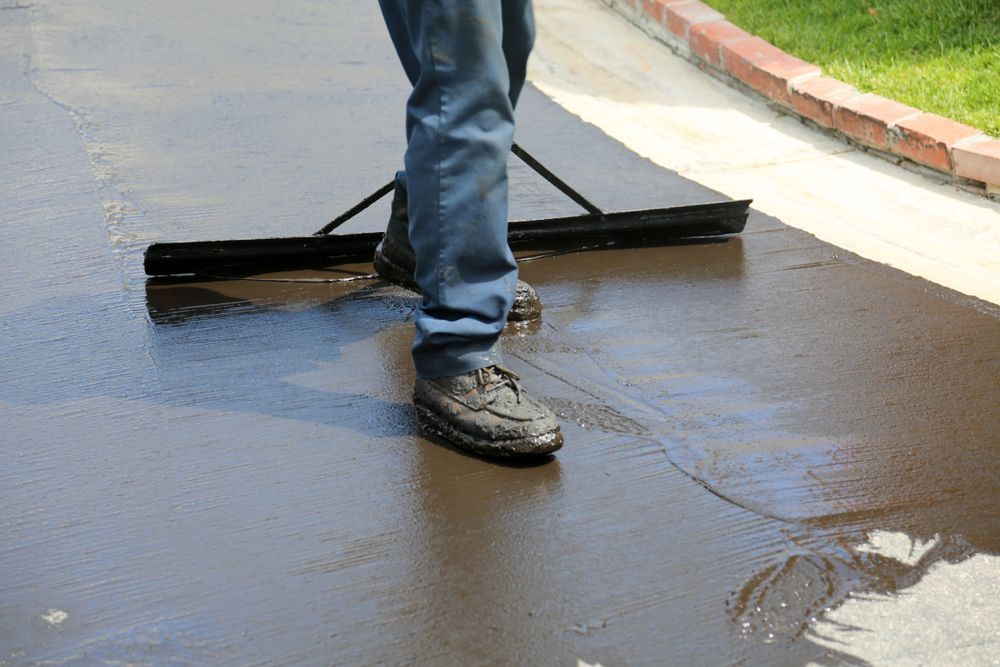
The crew sweeps and power-washes the driveway to remove dirt, debris, and oil stains that prevent the sealer from bonding. State Line Paving applies two thin coats of asphalt emulsion sealer with spray equipment or squeegees, allowing the first coat to dry before adding the second. The sealer fills small cracks and surface imperfections, then cures into a dark, protective layer that resists water penetration and UV damage.
After sealcoating, your driveway looks deep black and smooth, with a uniform finish that hides minor wear and gives the surface a renewed appearance. Water beads and runs off instead of soaking in, and the pavement resists staining from oil drips or tire marks. The sealcoat hardens within 24 to 48 hours, depending on temperature and humidity, and you avoid driving on it until fully cured to prevent tracking or surface damage.
Sealcoating works only on structurally sound asphalt; it does not repair large cracks, potholes, or base failures. The driveway must be completely dry, and temperatures need to stay above fifty degrees during application and curing. Rain within 24 hours can wash away uncured sealer, so crews monitor forecasts closely and reschedule if necessary. New asphalt should cure for at least six months before the first sealcoat application to allow oils in the pavement to evaporate.
What Homeowners Ask About Sealcoating
Residents often ask how frequently to apply sealer, whether it works on older driveways, and what preparation steps are necessary, especially when coordinating the work with household schedules and seasonal weather patterns.
How often should I sealcoat my driveway?
Most residential driveways benefit from sealcoating every two to three years, depending on traffic levels, sun exposure, and whether you park heavy vehicles that wear the surface faster than light passenger cars.
What happens if it rains before the sealer dries?
Rain within the first 24 hours can wash away uncured sealer or leave streaks and thin spots, so crews check extended forecasts and delay application if precipitation is likely before the curing window closes.
Can sealcoating fix cracks in the driveway?
Sealcoat fills hairline cracks and minor surface imperfections but does not repair structural cracks wider than an eighth of an inch, which need hot tar crack sealing before sealcoating to prevent water infiltration.
Why does sealcoat need to be applied in warm weather?
The emulsion sealer cures through evaporation, which requires warm temperatures and low humidity; applying it in cool or damp conditions in Springfield MA extends drying time and can prevent proper bonding to the asphalt.
How long before I can park on a freshly sealed driveway?
You should wait 24 to 48 hours before driving on the surface, and avoid sharp turns or heavy loads for 72 hours to let the sealer fully harden and bond without scuffing or imprinting.
State Line Paving schedules residential sealcoating throughout Springfield MA during the warmer months when conditions support proper curing. If you want to protect your driveway and plan seasonal maintenance, get in touch to confirm your pavement is ready and schedule the application.