October 8, 2026
A crack in a driveway or parking lot can look insignificant beside an otherwise usable asphalt surface. Vehicles still pass over it, parking spaces remain available, and the surrounding pavement may appear sound. Yet that opening changes how the surface handles weather and everyday use. Attention at this stage can help preserve pavement before deterioration becomes more extensive.
The value of hot tar crack repairs comes from addressing a vulnerable part of the surface while there is still useful asphalt around it. Heated rubberized asphalt forms a flexible seal that helps limit water entry through suitable cracks. For homeowners and commercial property owners, that protection supports the continued use of driveways and parking areas. Understanding the repair's purpose, application, and limits makes it easier to recognize when it deserves a place in pavement maintenance.
Protect the Support Beneath the Surface
Asphalt depends on the layers beneath it for support. When water travels through cracks, moisture can reach those underlying layers and contribute to weakened conditions. The effects may become more noticeable as traffic repeatedly passes over the affected area. A surface that originally showed a narrow opening can eventually develop more extensive deterioration if the conditions beneath it worsen.
Sealing an appropriate crack helps reduce one route for that moisture to enter. The repair creates a barrier within or over the opening, helping protect the pavement below from rain and other surface water. A long crack can leave a substantial stretch of the paved area exposed to repeated moisture entry. Closing that opening reduces exposure along the treated section, including portions where damage beneath the surface may not yet be apparent.
The benefit of hot tar crack repairs is therefore greater than covering an unattractive line. An effective seal addresses an opening through which damage can progress beyond what is visible at the surface. It does not correct every drainage problem or rebuild weakened support, but it can reduce moisture exposure through the treated crack. Where the surrounding pavement remains suitable for sealing, that targeted protection helps slow deterioration and supports the asphalt's continued use under ordinary traffic.
Accommodate Seasonal Pavement Movement
Outdoor asphalt experiences temperature changes throughout the year. As the pavement expands and contracts, the openings within it can also move. A repair needs to maintain its bond while accommodating that movement. Material that closes a crack initially but cannot tolerate changes in the opening may lose the protection it was meant to provide.
Hot-applied rubberized asphalt is useful because flexibility is part of its function. After application, the material forms a seal designed to move with the pavement instead of creating a rigid connection across the crack. That flexibility helps the barrier remain effective as conditions change. The relationship between the material and the crack matters because a durable repair must respond to the surface as it actually behaves outdoors.
Water intrusion becomes especially concerning when temperatures fall below freezing. Moisture inside an opening can freeze and expand, placing additional stress on already separated pavement. By limiting water entry, hot tar crack repairs help reduce exposure to that cycle. Their value lies in combining a moisture barrier with material suited to movement, rather than treating a crack as a permanently fixed gap. Because temperature changes recur, effective protection needs to accommodate repeated movement through changing seasons instead of simply closing the opening on the day of application.
Preserve Asphalt That Still Has Useful Life
An existing driveway or parking lot represents a substantial amount of installed material. When most of that surface remains usable, targeted maintenance can help retain its function. A crack does not automatically mean the entire paved area has reached the end of its service life. Its condition, location, and relationship to surrounding damage influence which repair makes sense.
According to The Pavement Network, annual asphalt pavement production exceeds 350 million tons. Once installed, that pavement needs care throughout its service life, including protection at openings where water can enter. Retaining usable driveways and parking lots through targeted crack sealing keeps maintenance focused on preserving material already in place. Where the surrounding asphalt remains sound, treating the openings can help extend its usefulness without disturbing the entire paved area.
That preservation depends on choosing the right treatment for the damage. Hot tar crack repairs can protect an otherwise sound surface, but sealant cannot replace asphalt that is missing or restore a section that has already lost support. Potholes, sunken areas, and widespread deterioration may need a different repair approach. A professional evaluation helps distinguish cracks suitable for sealing from conditions that require patching or more extensive work. Isolated openings in intact asphalt and cracking surrounded by crumbling material should not be treated as the same condition.
Focus on a Durable Seal
The material used in a repair is only part of what determines its performance. Dirt, debris, and loose material within a crack can interfere with the sealant's contact with the pavement. Moisture can also affect bonding, making surface conditions important before application begins. A repair that looks complete from above may provide limited protection if the material has not adhered properly along the opening.
Professional hot tar crack repairs include attention to those conditions before the heated material is applied. Cleaning removes contaminants that could separate the sealant from the asphalt, while dry conditions support adhesion. The material also needs to be heated and handled according to its application requirements. These details contribute directly to the seal's ability to remain in place and limit water entry.
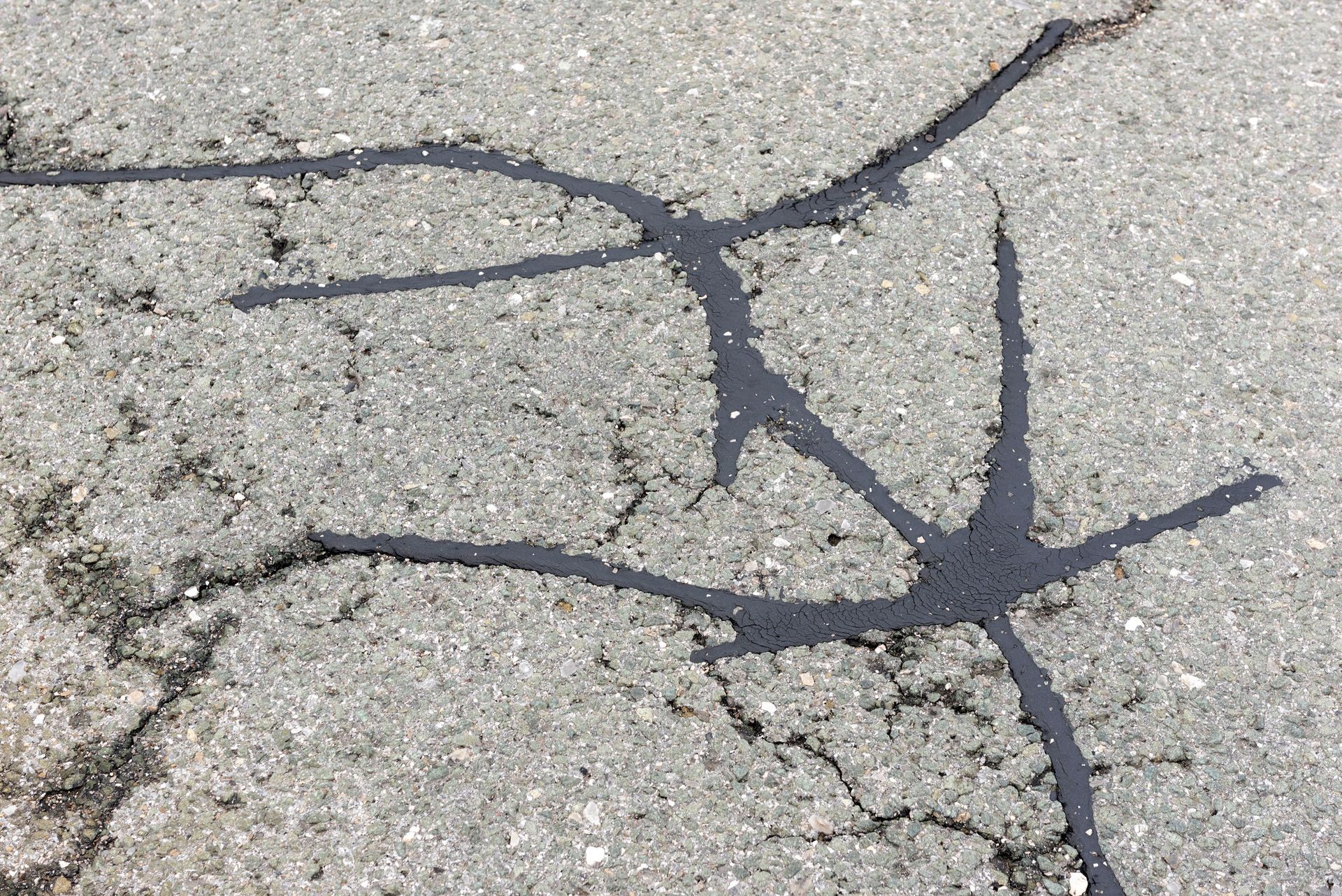
The finished repair may remain visible as a dark line against the surrounding asphalt. Crack sealing treats individual openings, so it does not create the uniform appearance of a newly paved surface. A visible repair line can still serve its purpose when the sealant has bonded properly and the application is suited to the crack. Appearance alone cannot establish repair quality; preparation and adhesion matter to how the treatment performs. Understanding that distinction helps property owners assess the work for the protection it provides.
Make Maintenance Easier to Plan
Cracks give property owners an opportunity to address pavement condition before more disruptive damage develops. Scheduling an evaluation while the area remains usable allows the work to be considered alongside daily access needs. For a driveway, those needs may involve household vehicles; for a parking lot, they may include customer parking and routine business activity. Planning helps the repair fit the property's use.
Including hot tar crack repairs in ongoing asphalt maintenance also encourages attention to changes over time. Previously treated openings and newly developing cracks may need evaluation as the surface ages. A commercial maintenance program can provide a more organized way to consider that work instead of waiting until damage interferes with the property. The purpose is to respond to pavement condition at an appropriate stage.
The repaired area still needs suitable conditions before vehicles return to it. Discussing access arrangements and return-to-use guidance with the contractor helps property owners plan around the application. That conversation also allows other visible damage to receive attention during the evaluation. A focused repair becomes more useful when it is part of informed pavement care, with expectations based on the surface's condition and the work being performed.
Pavement maintenance is most useful when the treatment matches the condition of the surface and supports its continued use. Addressing suitable cracks while the surrounding asphalt remains serviceable gives that work a practical, lasting purpose. At State Line Paving Inc, we evaluate asphalt damage and provide hot tar crack repair to help protect existing driveways and parking lots. Contact us to discuss your pavement's condition and whether crack repair is appropriate for the areas that need attention.